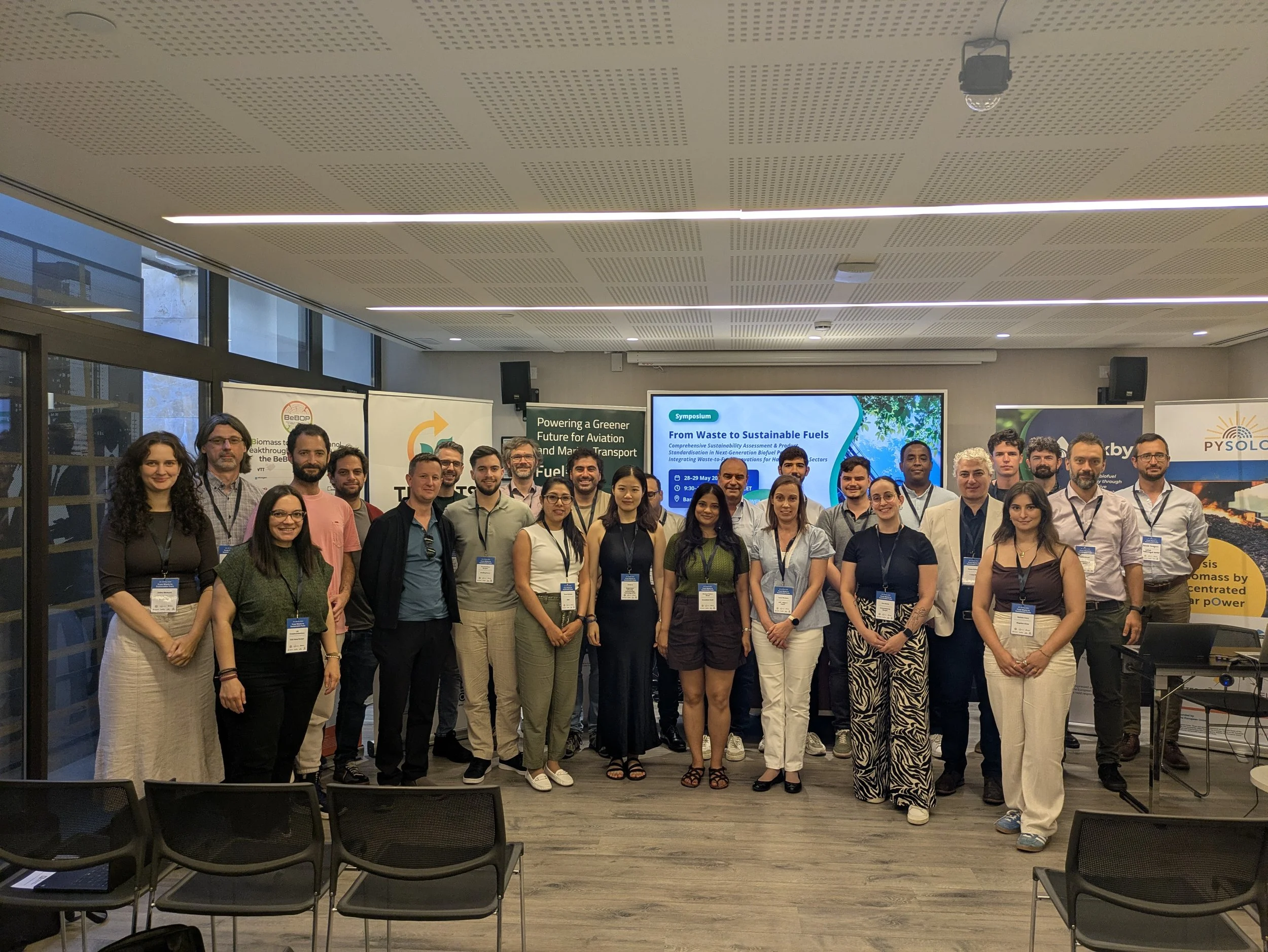
TEAPOTS at the Joint Symposium “From Waste to Sustainable Fuels”
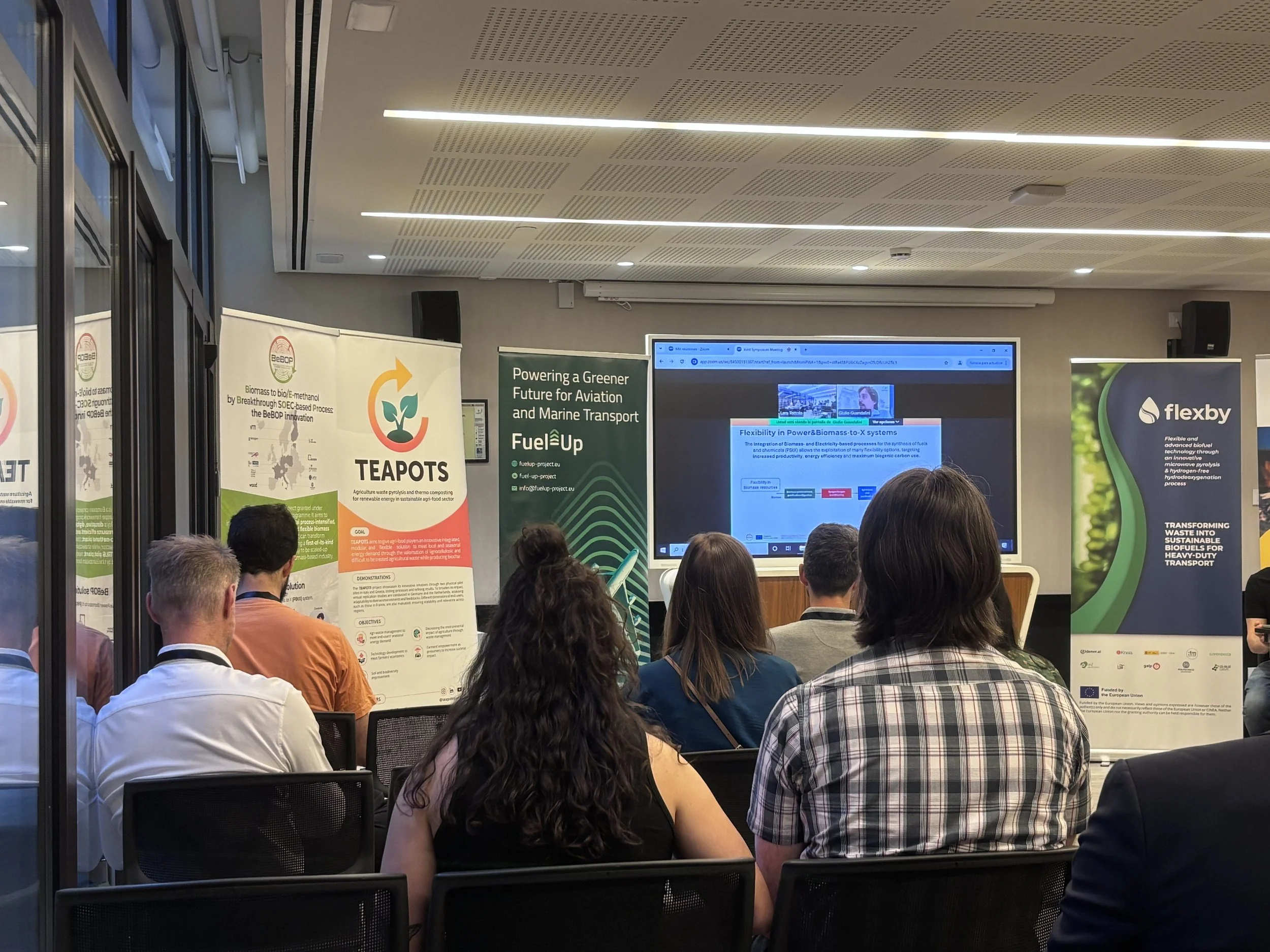
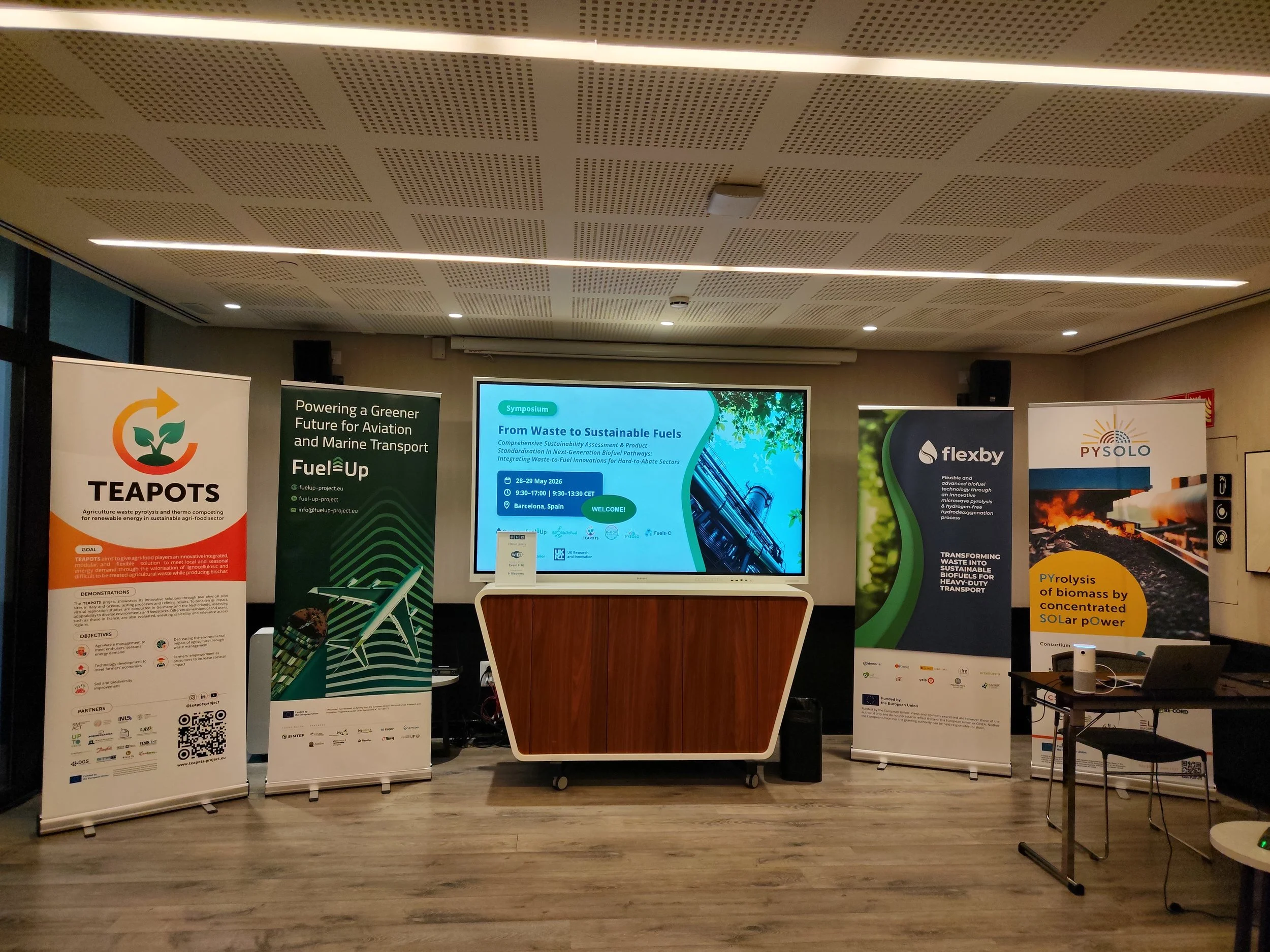
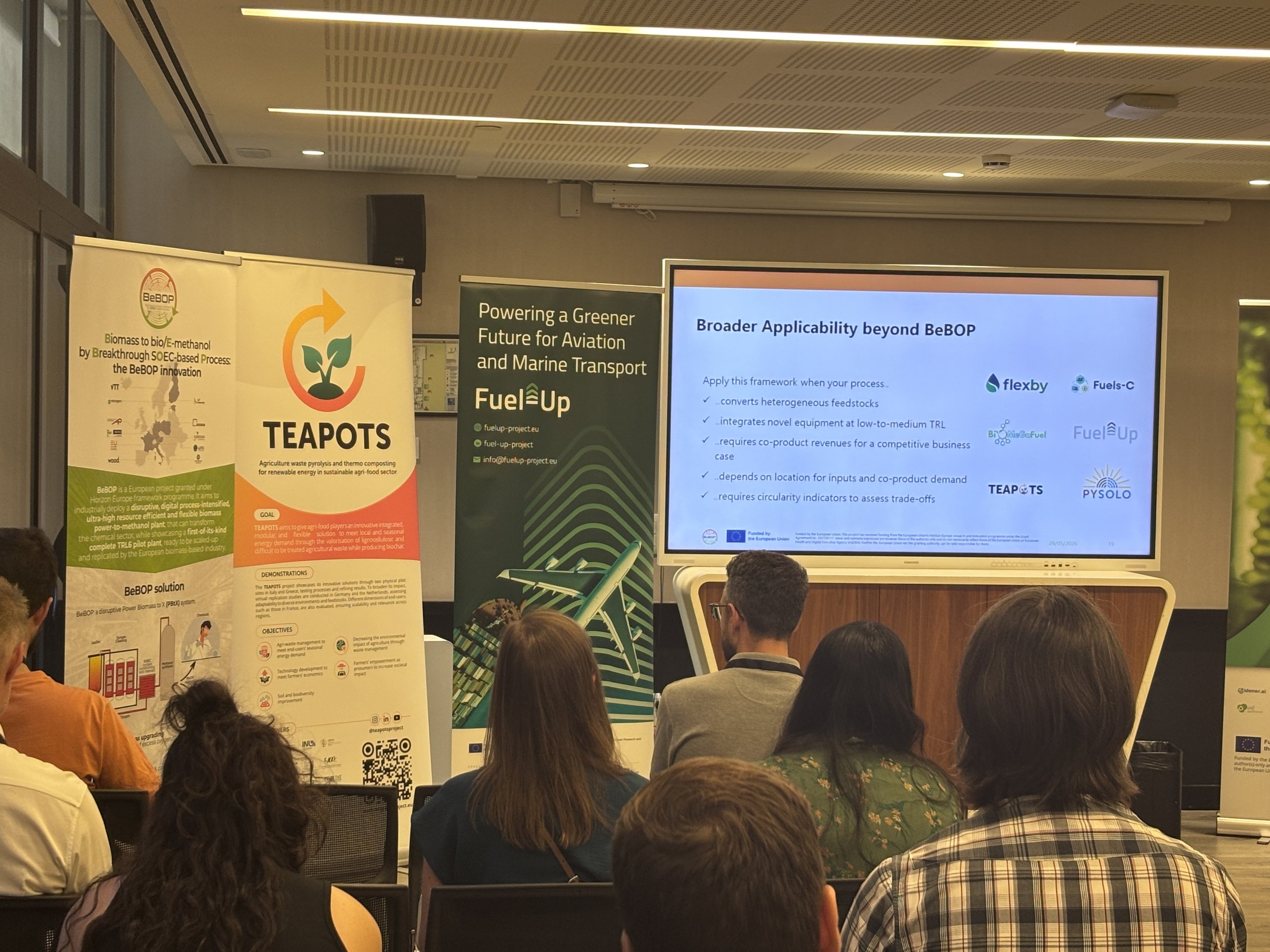
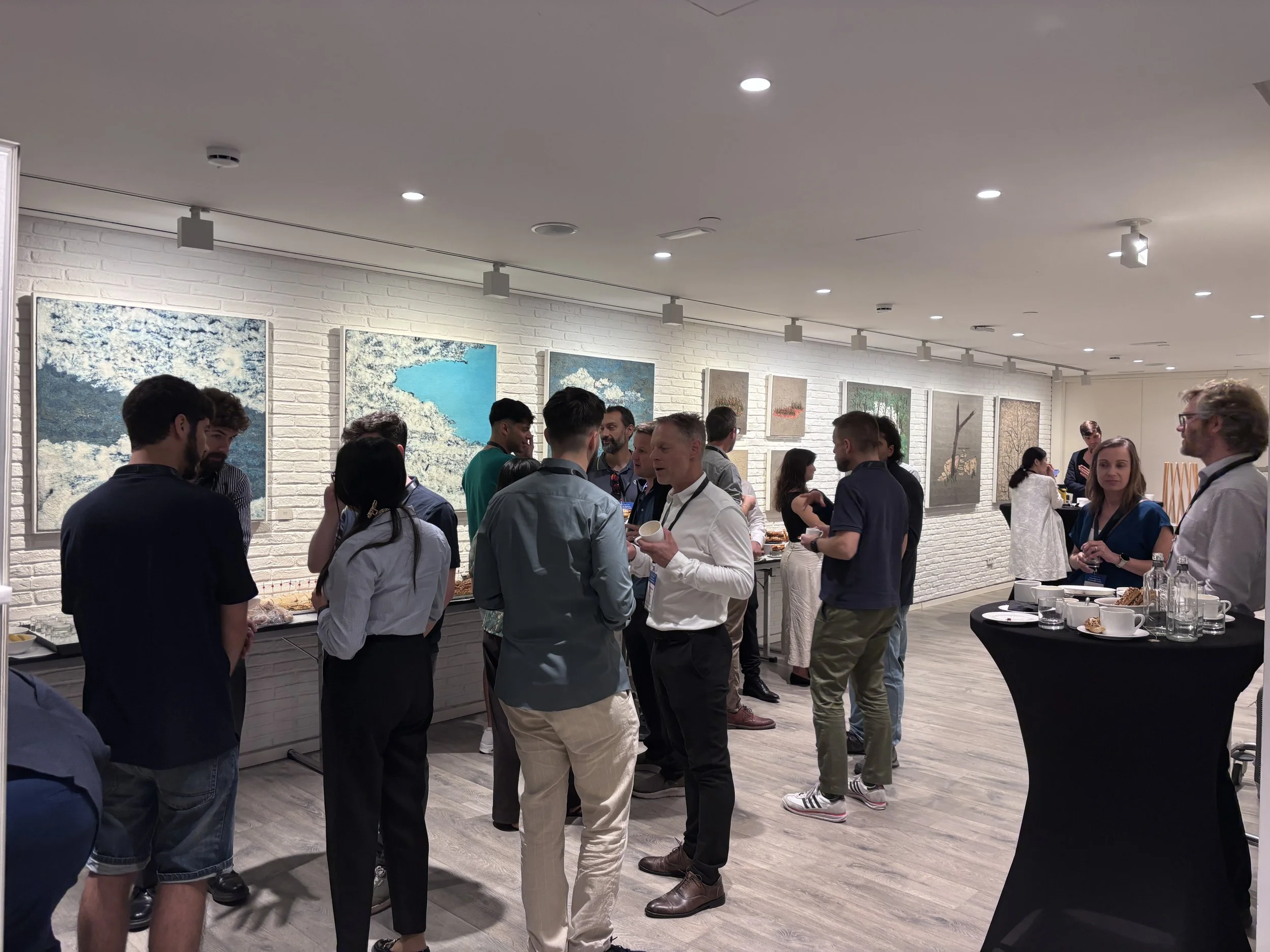
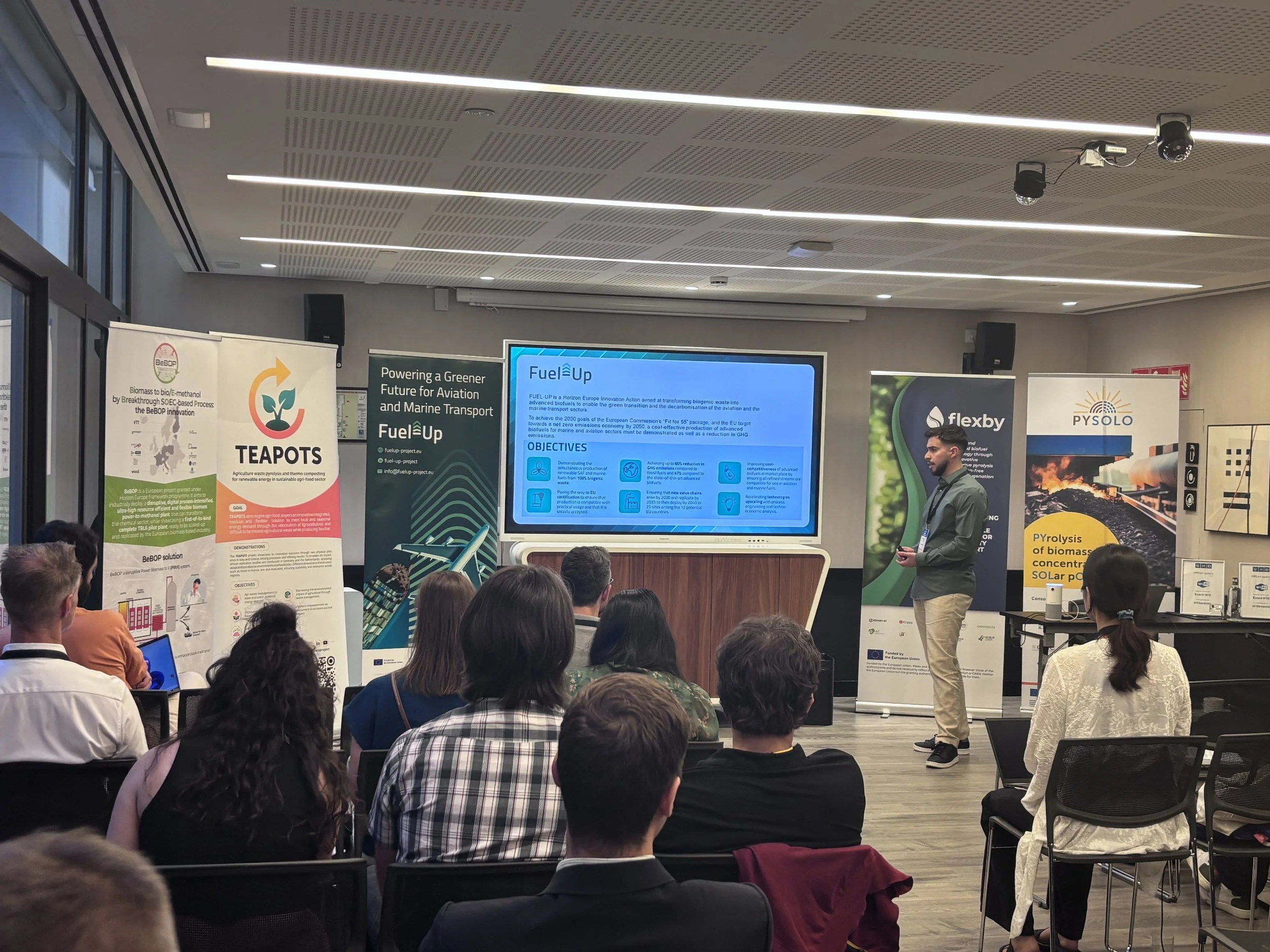
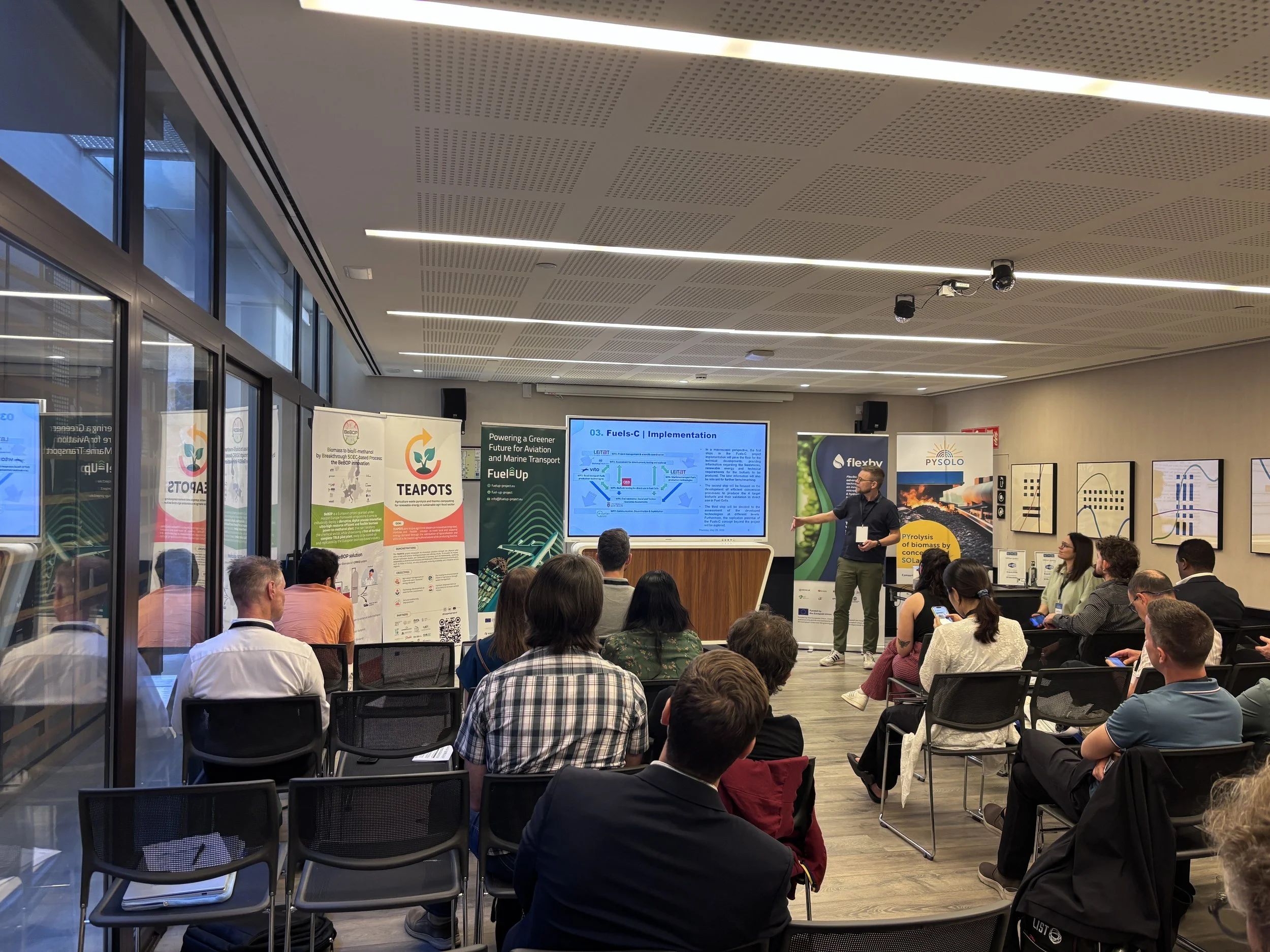
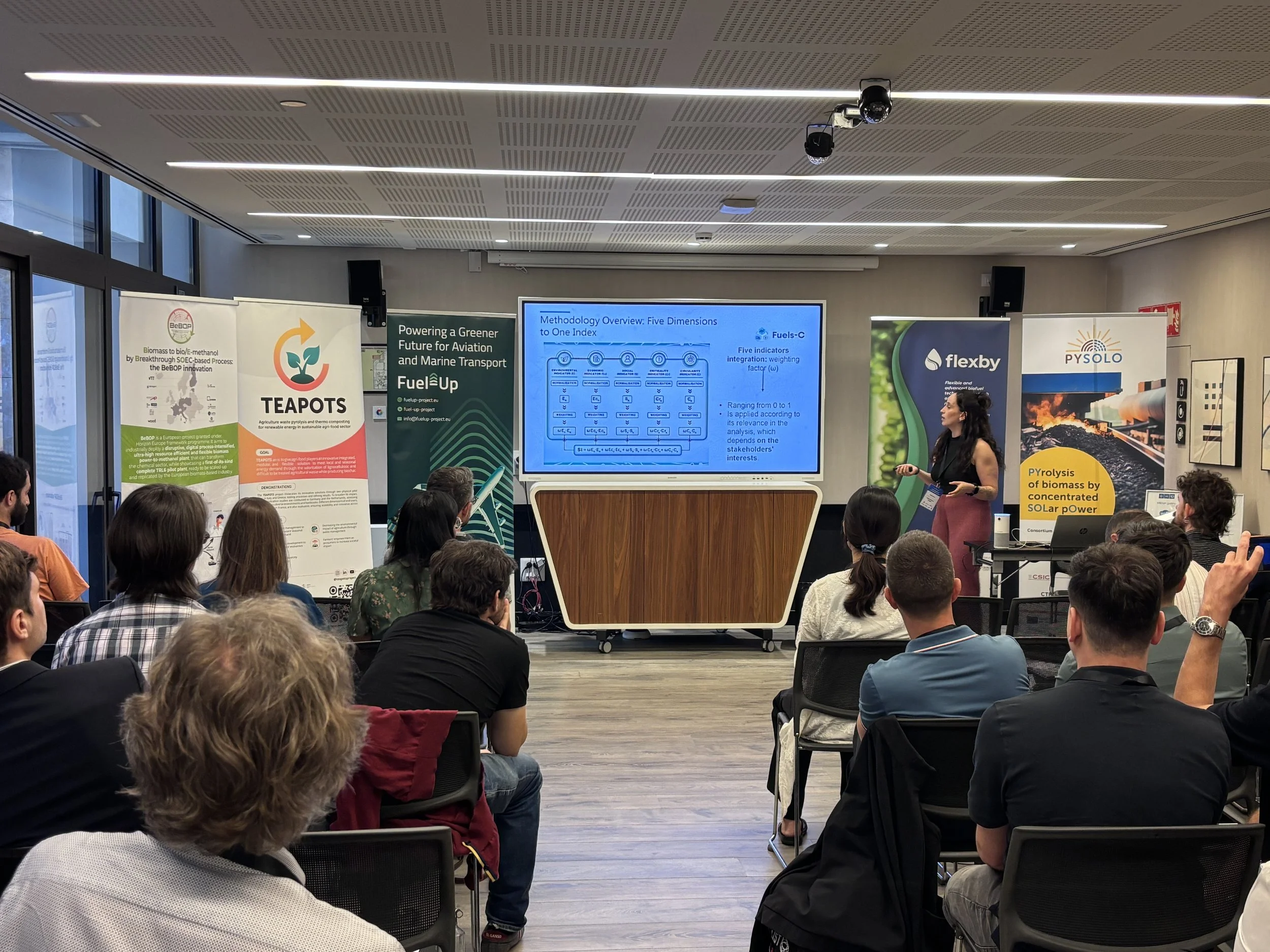
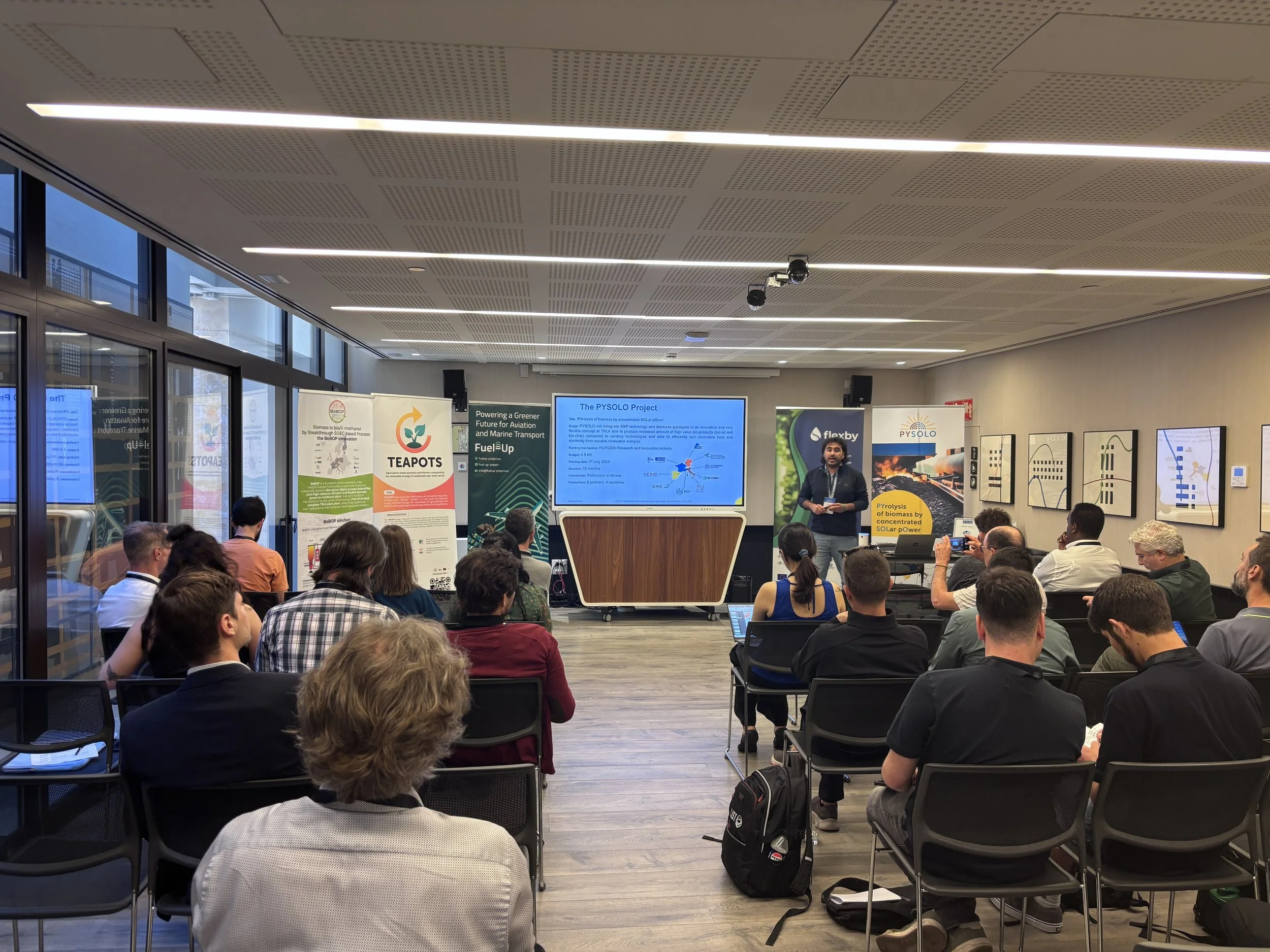
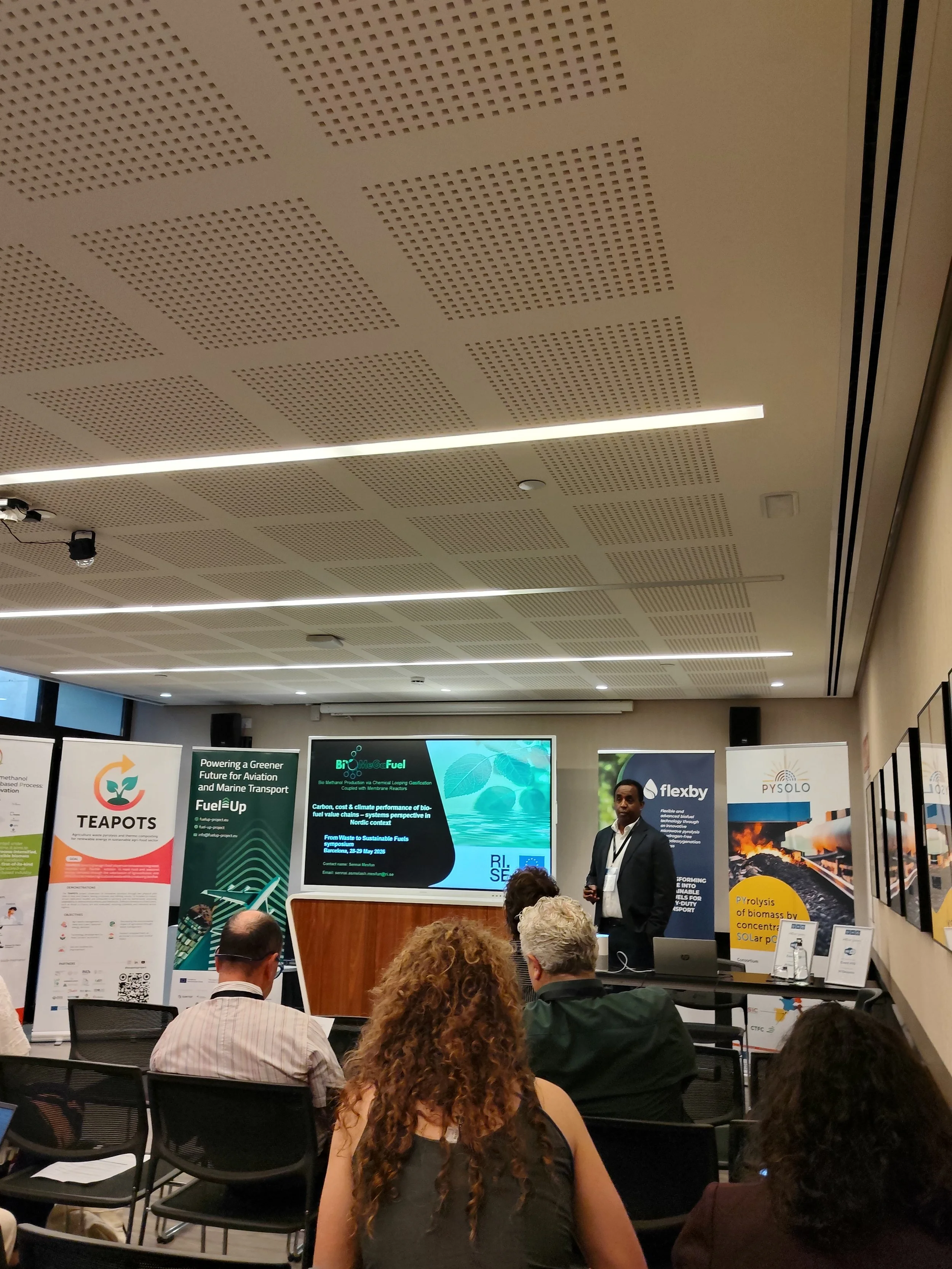
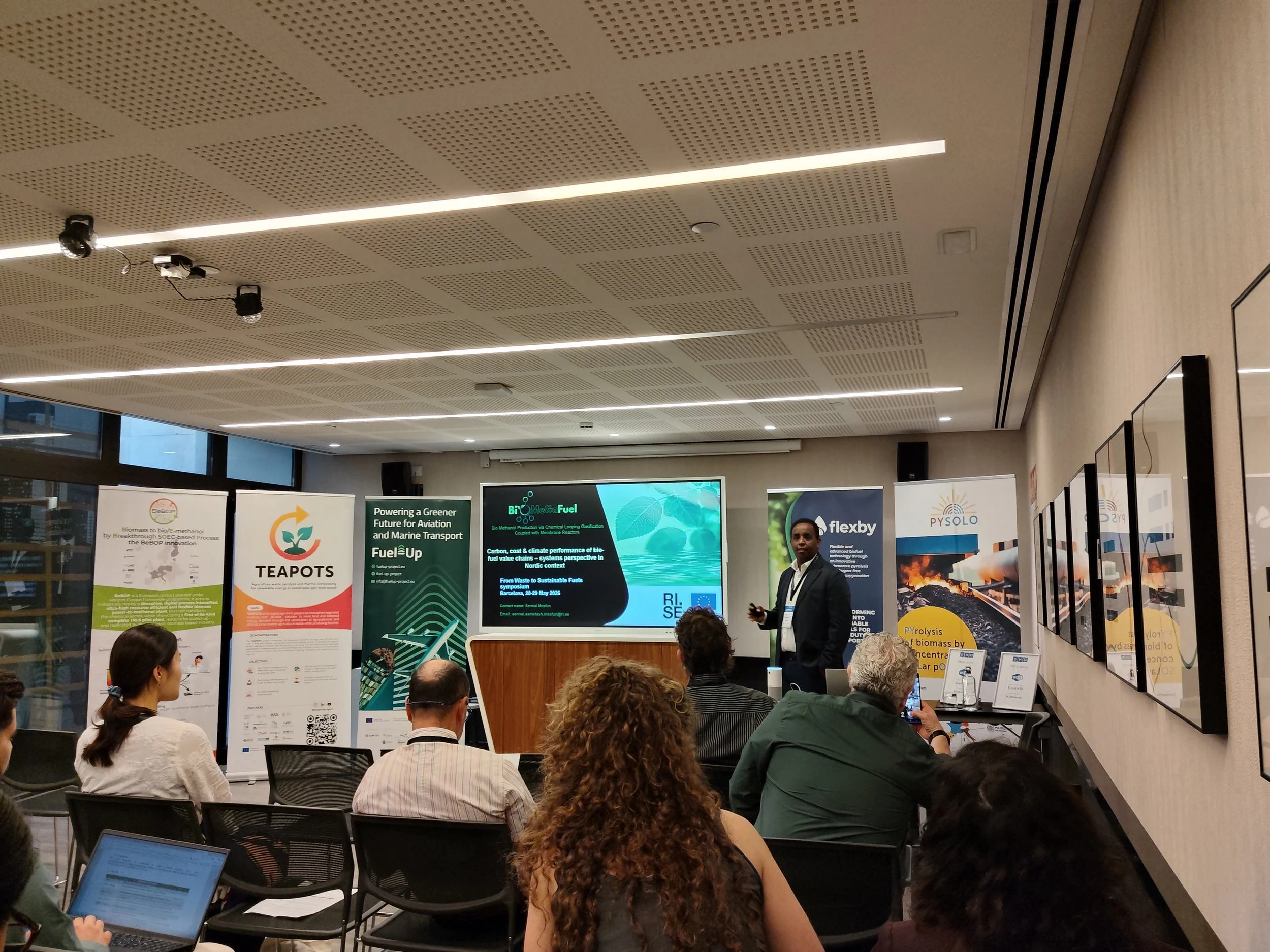
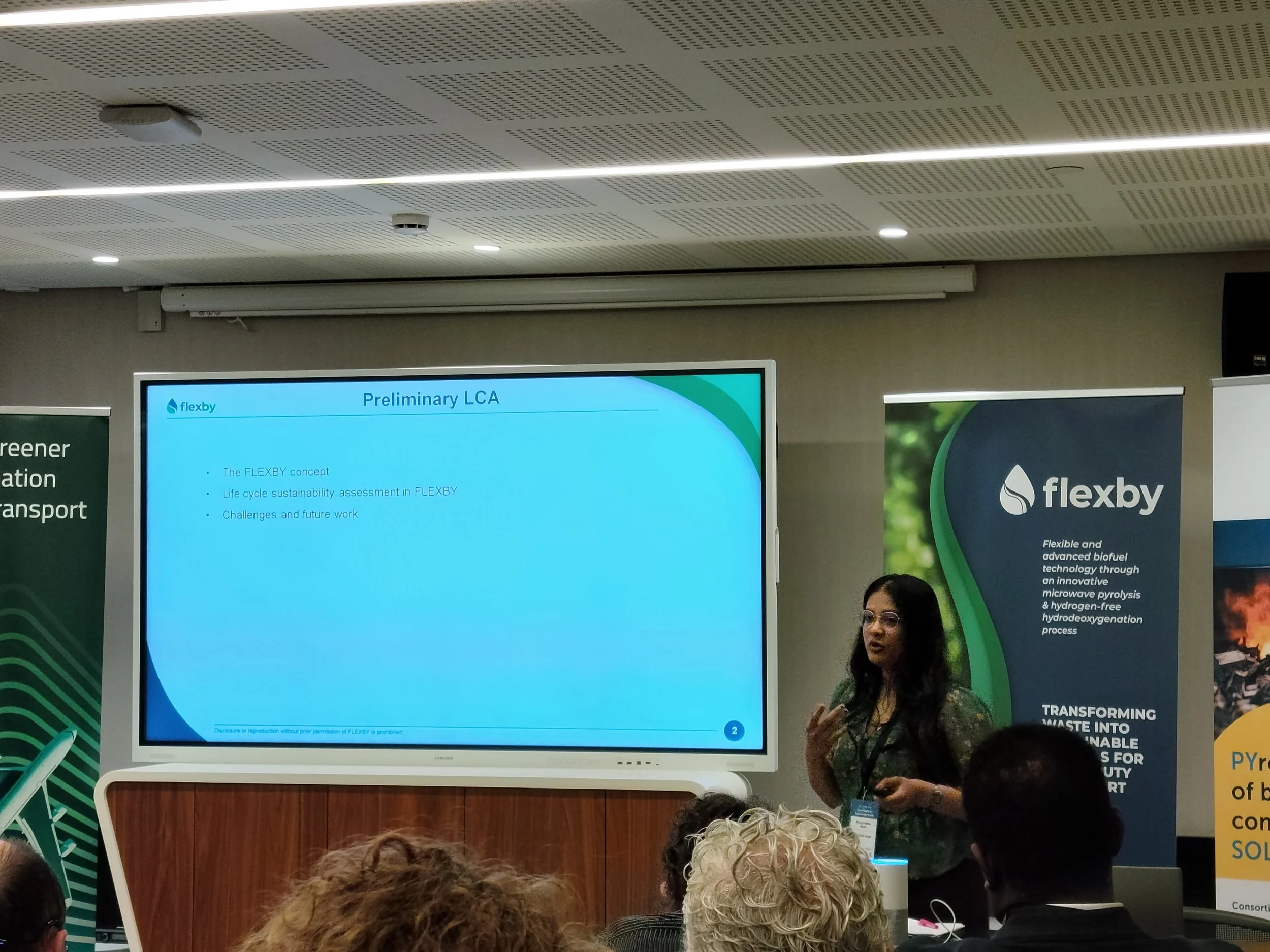
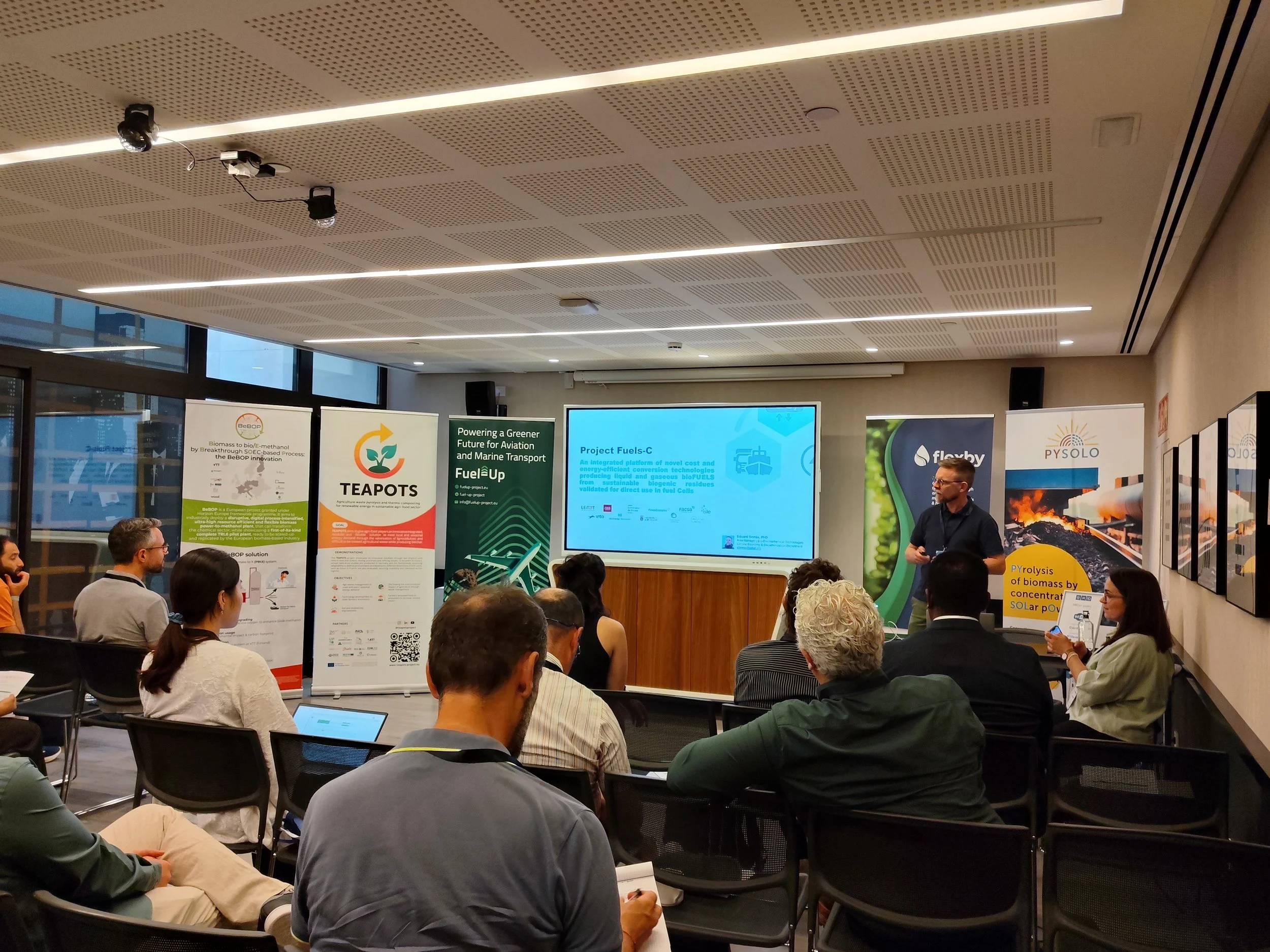
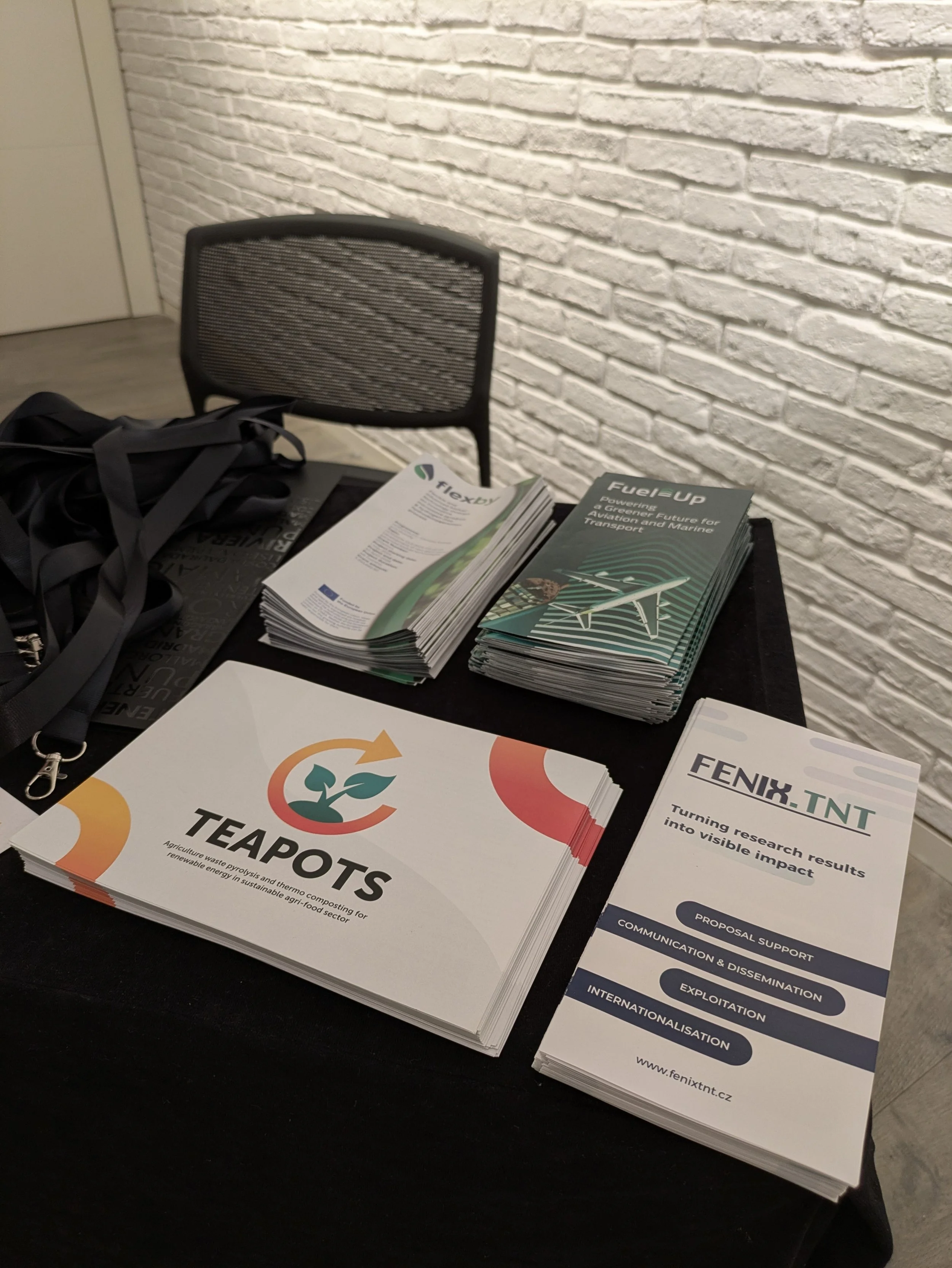
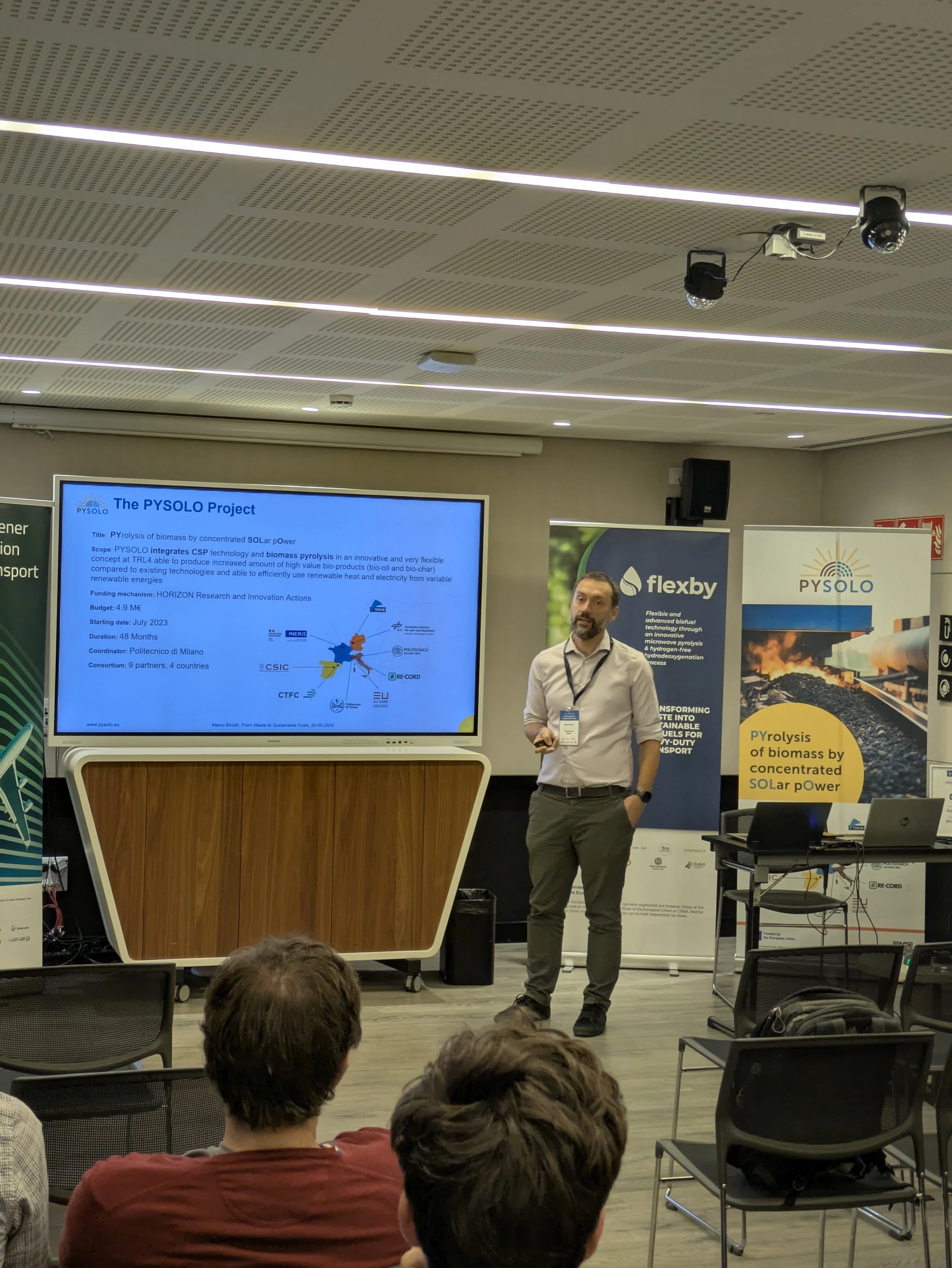
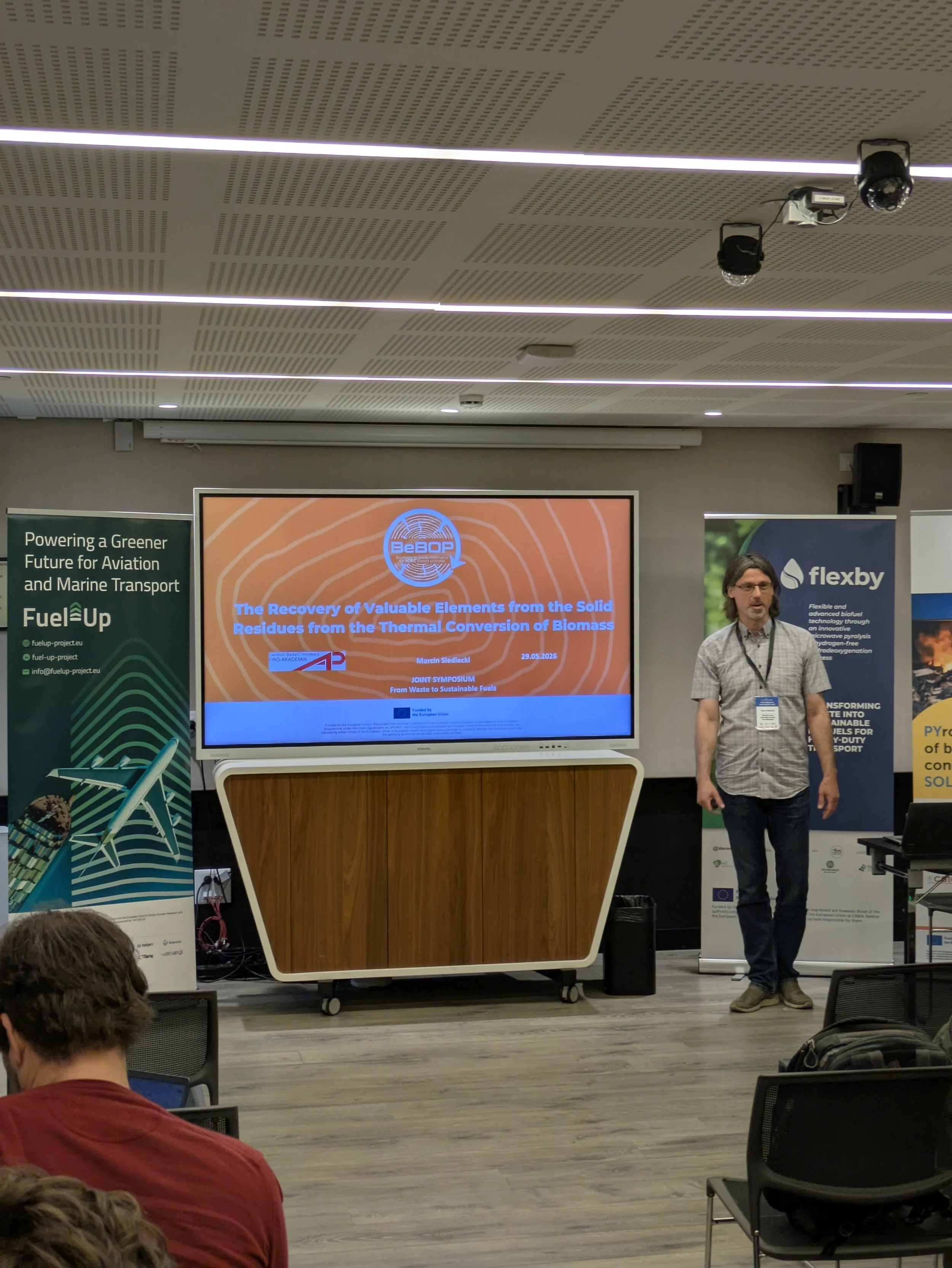
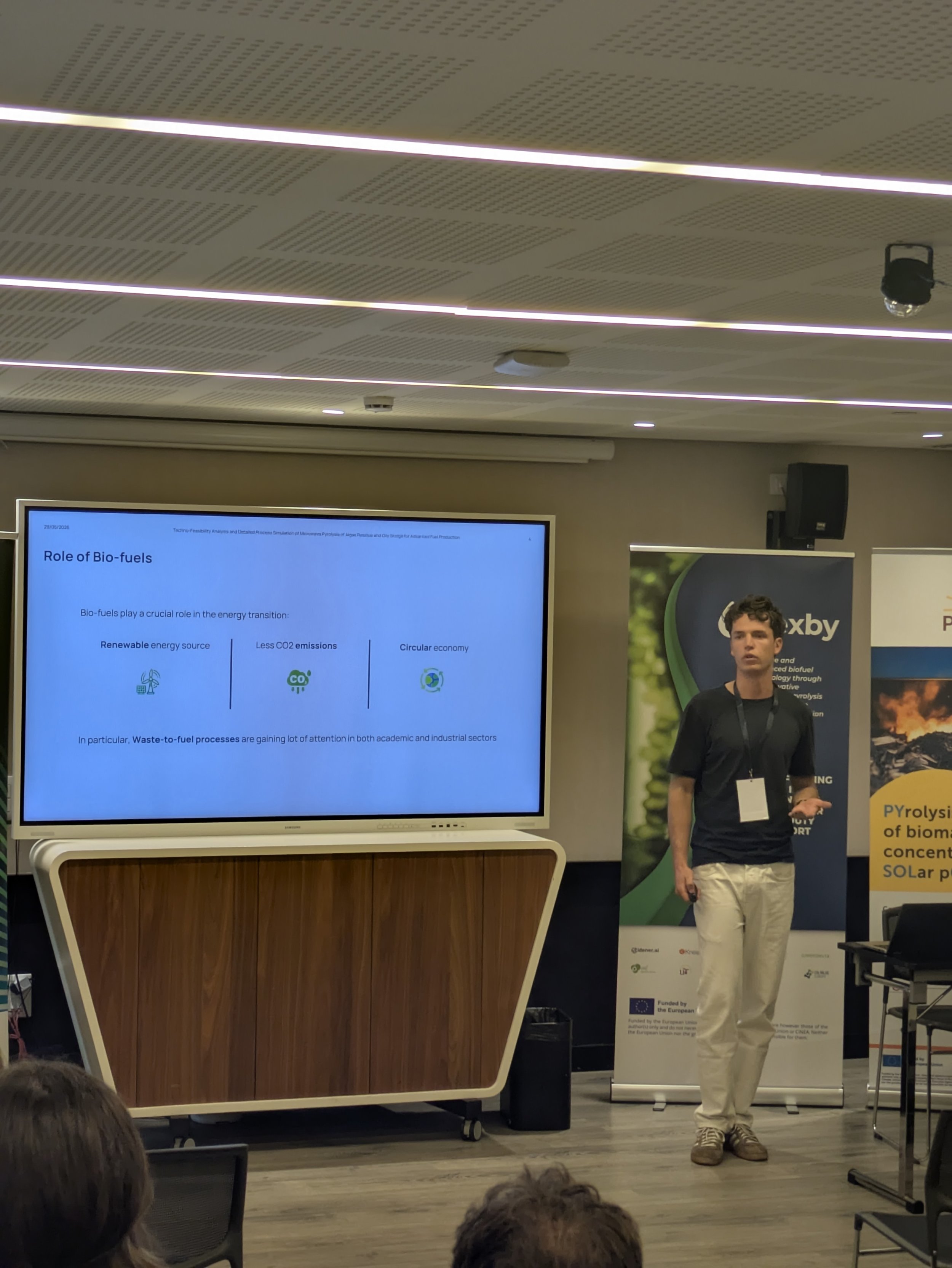
The TEAPOTS project took part in the Joint Symposium “From Waste to Sustainable Fuels”, held on 28–29 May 2026 in Barcelona. The event brought together researchers, industry representatives and policymakers to exchange knowledge on sustainability assessment and product standardisation in next-generation biofuel pathways, with a particular focus on waste-to-fuel solutions for hard-to-abate sectors.
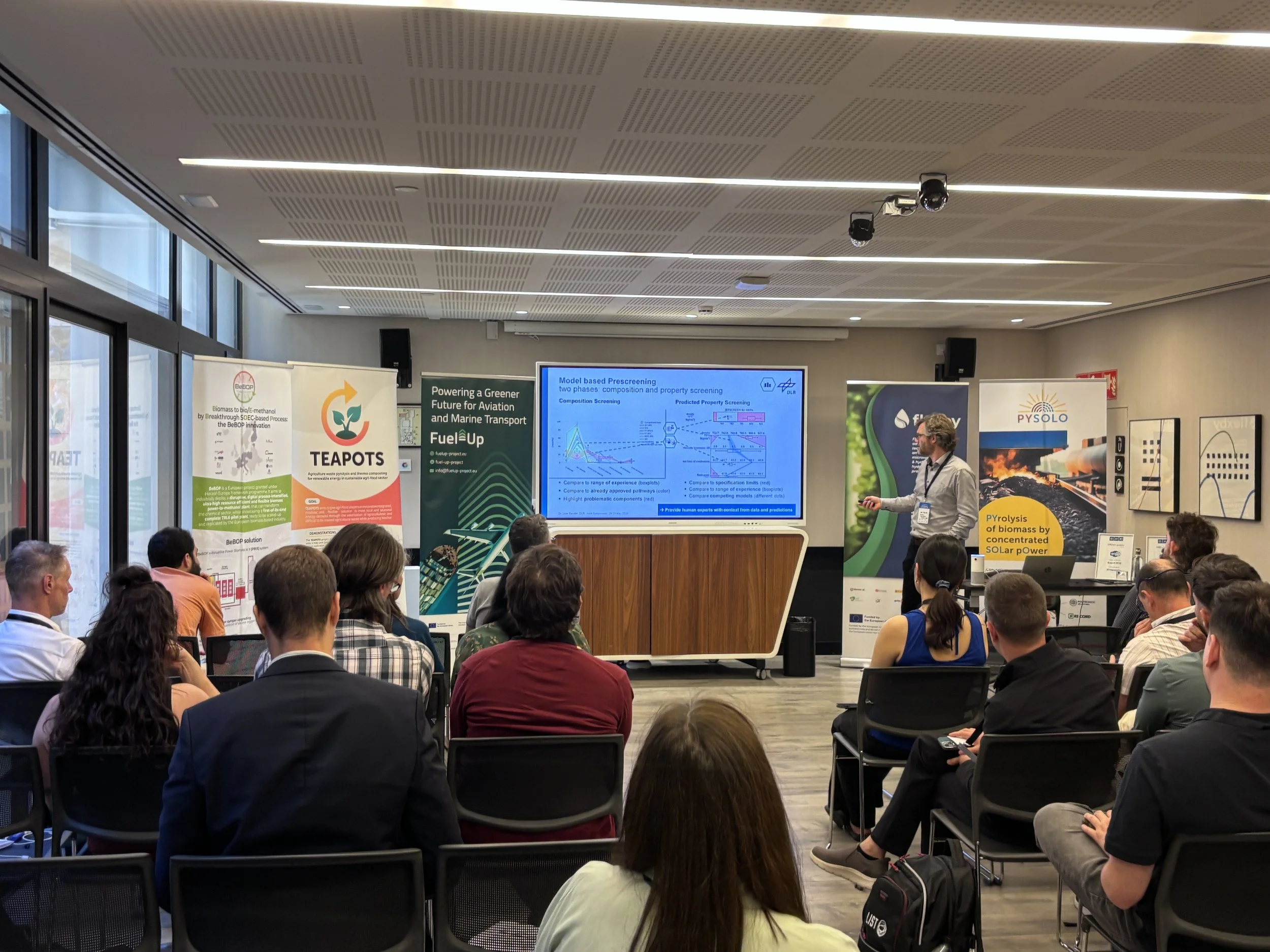
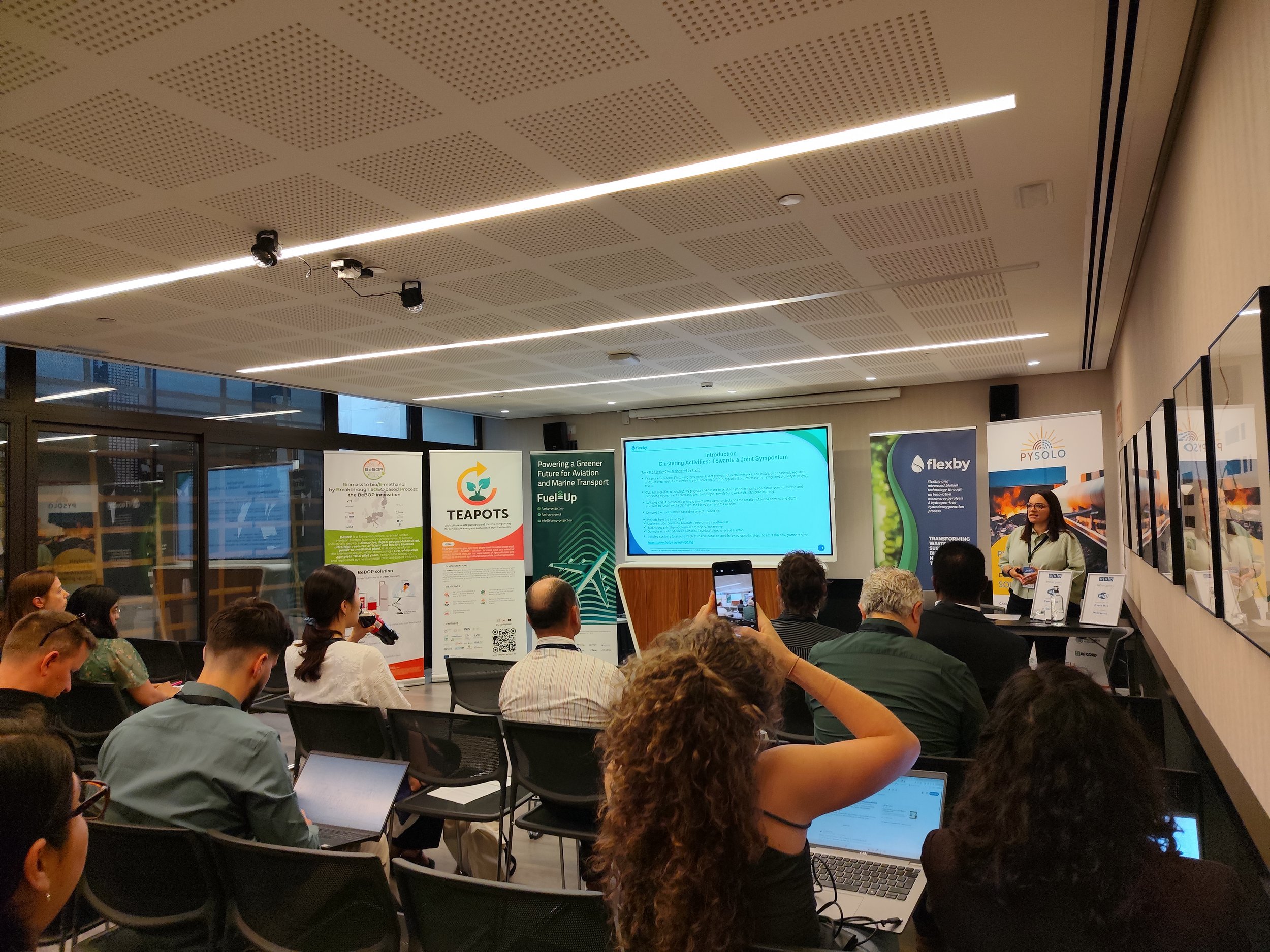
Co-organised by TEAPOTS together with the EU-funded projects FlexBY, FUEL-UP, Bio-MeGaFuel, BeBOP, PYSOLO and Fuels-C, the symposium created a valuable space for clustering activities and cross-project collaboration. Across two days, participants discussed key topics such as life cycle sustainability assessment, circularity indicators, greenhouse gas emissions, techno-economic performance, sustainable aviation fuel requirements, AI-supported biomass assessment, e-fuel conversion processes and advanced fuel production pathways.
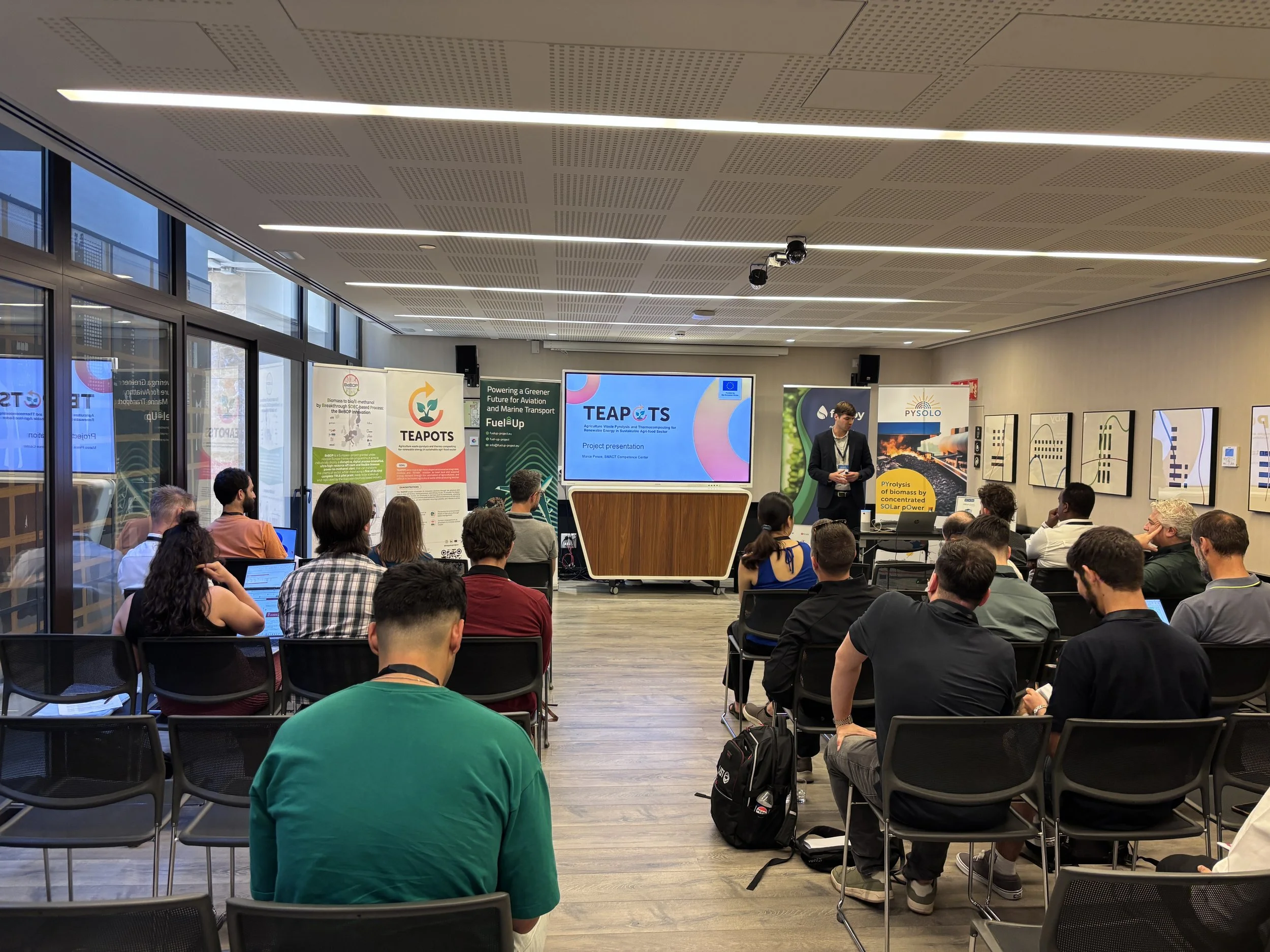
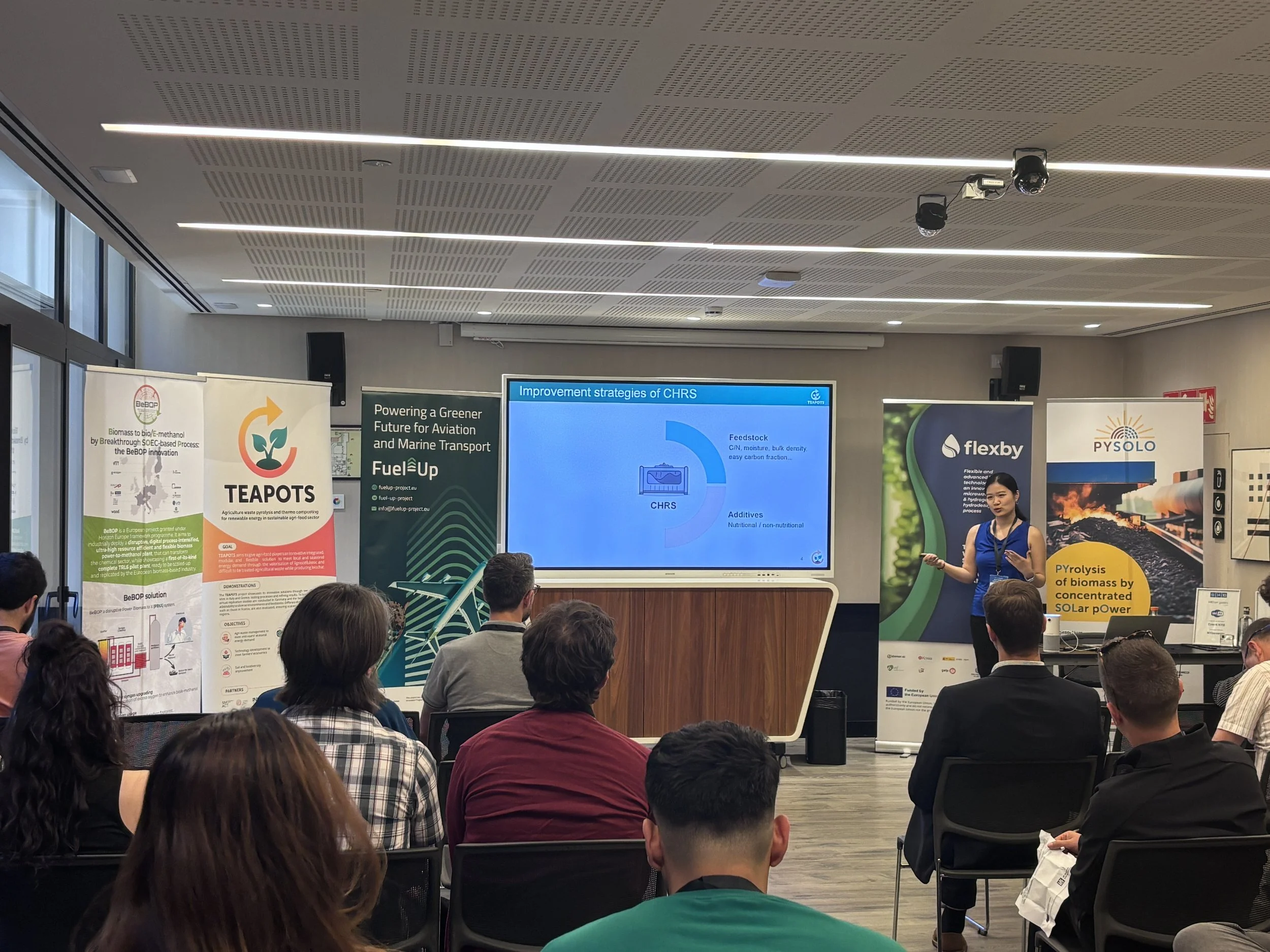
TEAPOTS was represented in the symposium through two contributions. Marco Pesce from SMACT, presented an overview of TEAPOTS and its work on “Agriculture Waste Pyrolysis and Thermocomposting for Renewable Energy in Sustainable Agri-food Sector”, while Anran Li from Wageningen University contributed with a presentation titled “Development of compost heat recovery systems (CHRSs) within the TEAPOTS project”. Together, these contributions introduced the project’s focus on agricultural waste valorisation, pyrolysis, thermocomposting and renewable energy solutions within the broader context of sustainable fuel innovation.
The symposium also included a dedicated panel discussion on aligning LCA methodologies for biofuels, followed by a final roundtable reflecting on the main insights from the event. A key message emerged clearly from the discussions: moving from innovation to implementation requires stronger alignment between methodologies, sectors, projects and value chains.
By participating in this joint clustering activity, TEAPOTS strengthened its cooperation with complementary EU-funded initiatives and contributed to the shared objective of accelerating sustainable, standardised and scalable fuel solutions in Europe.